
I was a sad little boy.
That’s difficult for me to write because I don’t particularly think of myself as a sad person. Certainly not now. If anything, I’ve spent most of my life moving toward things that interested me—new places, new languages, new people, new projects. I’ve probably spent more time thinking about how to make life interesting than almost anyone I know.
But I wasn’t that person yet.
My parents divorced when I was two. My sister Stacy and I moved with our mother to Great Neck, New York, while my father remained in Delaware. We saw him about once a year. He cared about us and tried to help us in the ways he knew how. Later, he paid for Brandeis and helped with chiropractic school. But he wasn’t there for the ordinary parts of childhood. Distance made that impossible.
Home with my mother was complicated.
I don’t want this book to become an indictment of her. She had her own problems, and I’ve spent enough years thinking about them. But as a child I never quite knew where I stood. I learned early that home wasn’t necessarily the place where I felt safest.
So I spent a lot of time elsewhere.
At friends’ houses. Outside. Anywhere, really.
And fortunately for Stacy and me, there were people around us who seemed to understand that we needed something.
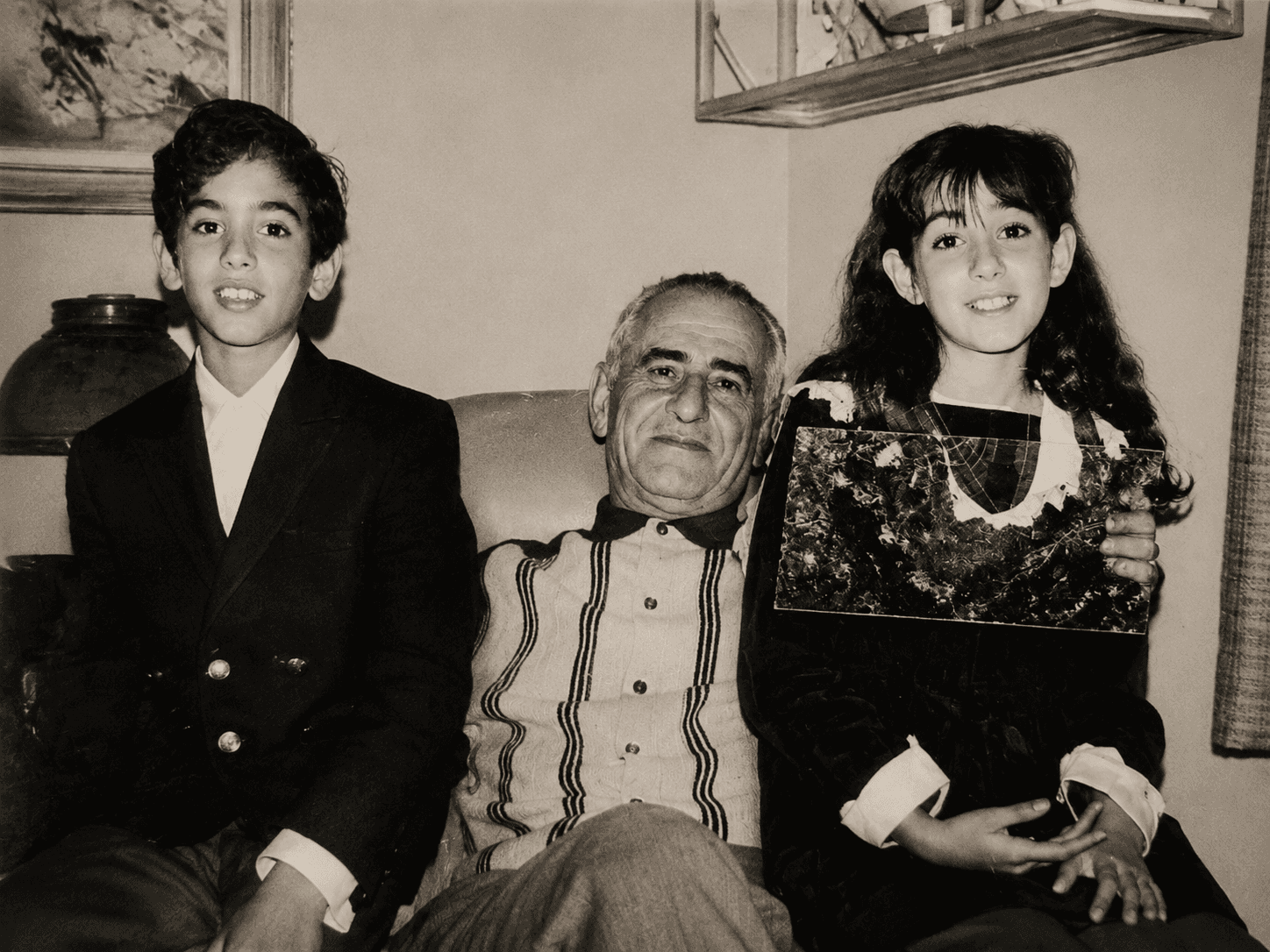
The most important were my grandparents.
They were my mother’s parents, and they lived only about a mile away. In fact, my grandfather had bought the house in Great Neck where my mother, Stacy and I lived. They knew things weren’t right. I don’t remember them sitting me down and explaining anything. They simply stayed close.
And they loved us.
Completely.
We were their first grandchildren, and they doted on us in a way that children probably take for granted because they don’t yet understand how precious it is.
We had dinner at their house about once a week. Every winter vacation we went to Florida with them—first Miami, then Fort Lauderdale. In the early years we stayed at wonderful hotels. Eventually, like seemingly every grandparent of that generation, they bought a condo.
And we kept going.
Through high school.
Through college.
Through chiropractic school.
Even into business school.
My grandmother was sweet and affectionate and wanted nothing more complicated from me than my company.
I wish I had understood then what I understand now.
I remember visiting her when I was in my twenties. She wanted to talk. Just ordinary conversation. Chitchat.
I told her I didn’t like chitchat.
I can still remember her disappointment.
At the time, conversation could be difficult for me. Stacy and I had both been affected by the environment we’d grown up in. We loved our grandparents enormously, but we weren’t yet emotionally equipped to give back everything they were giving us.
That’s one of those memories that changes as you get older.
Now I think about that moment very differently.
If I could sit with my grandmother again, I’d hug her and talk about absolutely nothing for as long as she wanted.
I’d chitchat until she finally said, “Joel, enough already.”
But children don’t know what they’ll someday miss.
They just know where they feel safe.
And my grandparents were safe.
They were, as I described them many years later, our knights in shining armor. They were the safety net beneath a childhood that otherwise could feel unpredictable. They gave Stacy and me something enormously important without ever announcing that they were doing it:
Unconditional love.
There was someone else.
My Aunt Molly.
Somehow, she knew too.
When I was approaching my teenage years, Aunt Molly started taking me to lunch about once a week.
We’d go to the Peter Pan restaurant on Middle Neck Road in Great Neck.
I can still remember my order.
A cheeseburger deluxe with French fries.
And a piece of chocolate blackout cake.
It’s funny what survives in memory.
I couldn’t tell you most of what Aunt Molly and I talked about during those lunches. I don’t remember receiving great advice. I don’t remember some dramatic conversation in which she explained my childhood to me.
I remember the hamburger.
I remember the cake.
And I remember how it felt to be sitting there with her.
For that hour, someone had chosen me.
Aunt Molly had two grown sons of her own, Jackie and Bobbie Siegel, and families she loved. She didn’t need another child to take care of.
But she made room for me anyway.
Those lunches grounded me.
Briefly, maybe.
But repeatedly.
And sometimes that’s enough.
Looking back, Aunt Molly represented something I didn’t have words for then. She showed me what maternal warmth could feel like. There was no drama surrounding it. She simply made me feel that I mattered.
Years later, when she was undergoing chemotherapy in New York, I went to see her. By then I understood more about what she had meant to me, even if I probably still couldn’t have explained it very well.
I missed her funeral.
Nobody told me.
My Uncle Bob knew she’d died, but he didn’t realize how badly I would have wanted to be there.
I still regret that.
Because Aunt Molly had left her mark on me.
There were others, too. Friends’ families. Adults who were kind to me at moments when kindness mattered more than they probably realized.
I didn’t recognize the pattern until decades later.
Belonging.
For a long time I thought the important story of my childhood was what I didn’t receive.
I don’t think that anymore.
The more interesting story is what I did receive—and what I eventually did with it.
Because something strange happened.
I grew up and started building places where people could belong.
At first I didn’t think of it that way.
In San Francisco I created warehouse communities where a dozen people lived together. There were communal dinners and friendships and people constantly coming and going. Years later, in Medellín, I created another communal house. Twelve bedrooms again.
I thought I was building interesting places to live.
Only much later did I realize that I kept building the same thing.
A village.
The kind of village that had quietly carried me through childhood.
My grandparents.
Aunt Molly.
Friends’ families.
Different people at different times, each giving me a little piece of home.
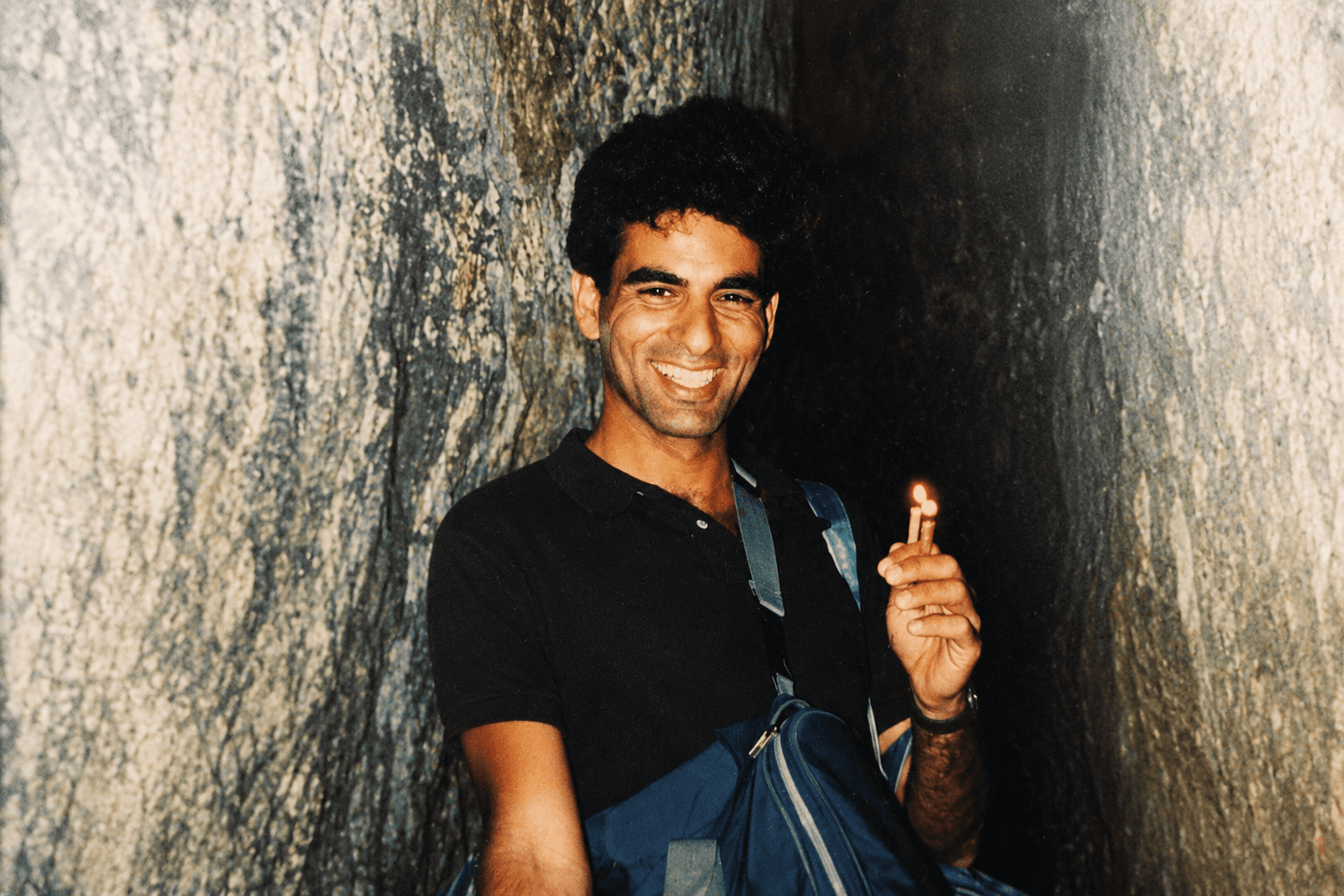
And then, without consciously deciding to, I spent much of my adult life recreating that feeling for myself and for other people.
Maybe that’s one of the reasons I’ve always been fascinated by community.
Maybe we spend our lives trying to recreate the places where we once felt most ourselves.
Or maybe we build the things we once needed.
I’m not sure.
That’s one of the reasons I’m writing this book.
But I know this:
My childhood could have sent me in a very different direction.
It didn’t.
There were people standing around the edges of it who loved me.
At the time, they probably had no idea how important they were.
Neither did I.
I do now.